Toluene (CAS 108-88-3) and mixed xylene (CAS 1330-20-7) are two of the most widely used aromatic solvents in Indian industry. Both are byproducts of petroleum refining, both dissolve resins and coatings effectively, and both are standard raw materials in the paints, adhesives, and printing ink sectors. But their distinct physical properties make one better suited than the other depending on your process.
Properties Comparison
| Property | Toluene | Mixed Xylene |
|---|---|---|
| CAS Number | 108-88-3 | 1330-20-7 |
| Boiling Point | 111°C | 138–144°C |
| Evaporation Rate | Fast | Moderate |
| Flash Point | 4°C | 27–32°C |
| KB Value (Solvency) | ~105 | ~96–100 |
| TLV-TWA (ACGIH) | 50 ppm | 100 ppm |
When Toluene is the Right Choice
- Fast-drying applications: The lower boiling point means toluene evaporates faster — critical for rotogravure printing inks, spray coatings, and lacquer thinners where drying speed affects throughput.
- Higher solvency power needed: The KB value of ~105 means toluene dissolves more demanding resin systems — useful in nitrocellulose-based finishes and high-performance adhesive formulations.
- Cold weather performance: The low flash point (4°C) means toluene remains effective at lower ambient temperatures where xylene may need more agitation to blend.
When Mixed Xylene is the Right Choice
- Slower drying required: Brush-applied coatings and high-build architectural paints benefit from xylene's moderate evaporation rate, giving better flow and levelling before the film sets.
- Lower toxicity profile preferred: Xylene has a TLV-TWA of 100 ppm vs. toluene's 50 ppm — meaning higher workplace concentrations are permissible under occupational exposure limits. This reduces engineering control requirements in some operations.
- Alkyd and epoxy resin systems: Most Indian paints manufacturers default to xylene as the standard thinner for alkyd-based architectural coatings.
- Reduced flammability risk in storage: The higher flash point (27–32°C) simplifies flammable liquid storage classification in some facilities.
Industry-Specific Preferences in India
Paints and Coatings: Xylene dominates for alkyd-based decorative and industrial paints. Toluene is preferred in lacquer finishes and automotive-grade coatings.

Printing Inks: Toluene is the industry standard for rotogravure and flexographic inks because evaporation speed directly affects press performance.
Adhesives: Choice depends on the resin system and required open time. Contact adhesive formulations often use toluene; slower-setting construction adhesives may prefer xylene or blends.
Blended Solvents
Many formulators use toluene-xylene blends to fine-tune evaporation rate — achieving fast initial drying from toluene with the flow properties and cost balance of xylene. This is common in premium industrial coatings.
Procurement Notes
Both solvents are regulated under the Petroleum Act (Flammable Liquids) and require storage in approved areas. Mixed xylene is produced domestically at CPCL and BPCL refinery streams; toluene is partially imported. Domestic production means xylene sometimes carries a shorter lead time during supply crunches.
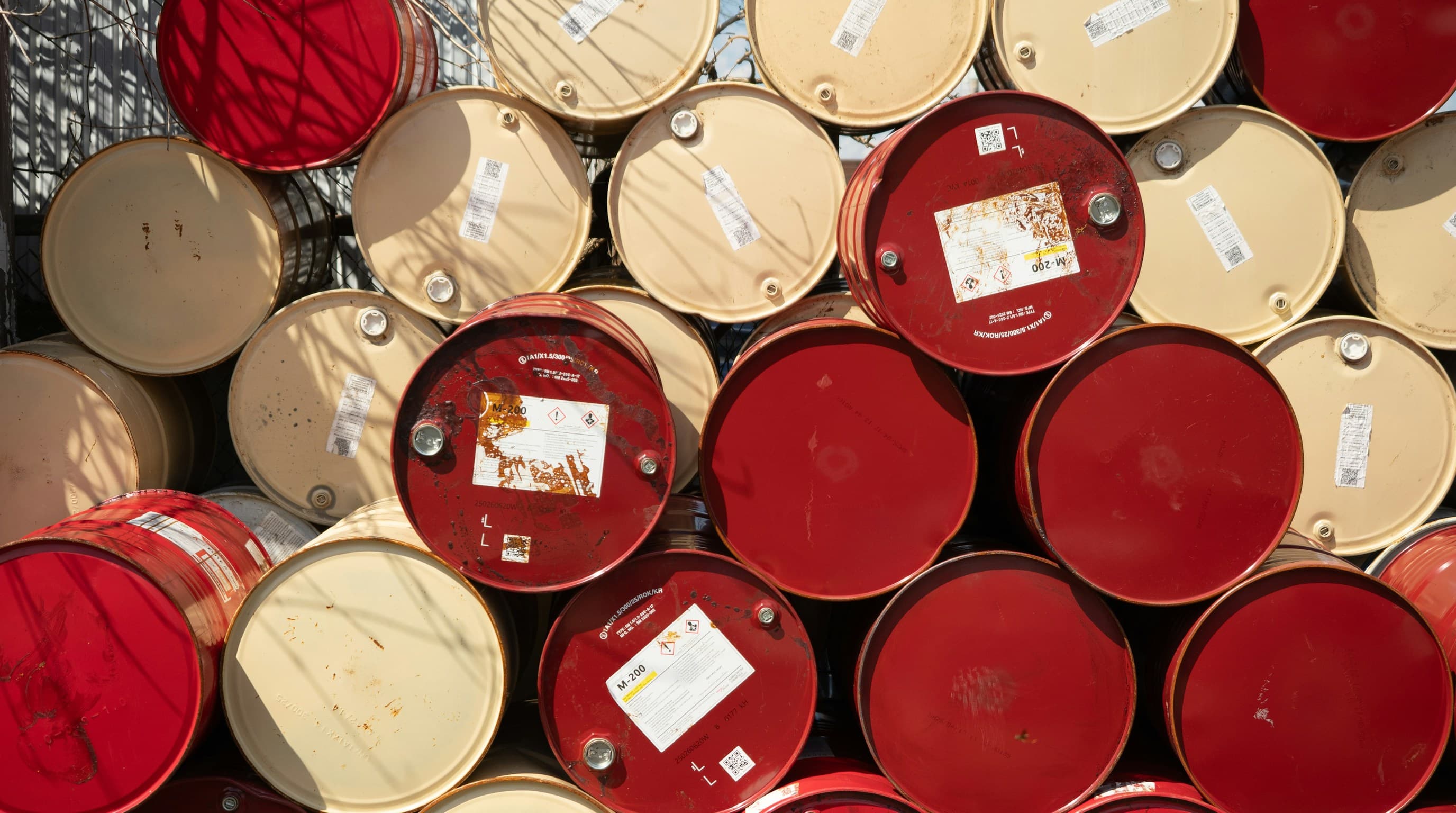
SPC supplies toluene and mixed xylene in 200-litre MS drums and tanker quantities for South India. Request a quote or see the full aromatic solvents catalog.
Specification Snapshot
The values below are indicative specification data for the toluene and mixed xylene grades SPC supplies from Chennai; a batch-specific Certificate of Analysis accompanies every consignment.
- Toluene purity: ≥ 99.5% (assay 99.5% min by GC); available in Industrial, Technical and Nitration grade
- Toluene density & flash point: 0.867 g/cm³ at 20°C; flash point 4°C (closed cup)
- Toluene packaging: 200L MS barrel, 1000L IBC tank or bulk tanker; HS code 2902.30.00
- Mixed Xylene purity: ≥ 98.5% (xylene isomers + ethylbenzene); available in Industrial and Technical grade
- Mixed Xylene density & flash point: 0.86–0.88 g/cm³ at 20°C; flash point 25°C (closed cup)
- Mixed Xylene packaging: 200L MS barrel, 1000L IBC tank or bulk tanker; HS code 2902.44.00
FAQ
What grades of toluene and mixed xylene does SPC supply?
Toluene is available in Industrial, Technical and Nitration grade (CAS 108-88-3); mixed xylene is supplied in Industrial and Technical grade (CAS 1330-20-7). Both are aromatic hydrocarbon solvents used across paints, printing inks and adhesive formulations.
What packaging options are available for toluene and mixed xylene?
SPC supplies both toluene and mixed xylene in 200-litre MS barrels, 1,000-litre IBC tanks, or bulk tanker quantities, for dispatch from Chennai across South India.
How do I get a quote for toluene or mixed xylene from SPC?
Share your required quantity, packaging preference (barrels, IBC or tanker) and delivery location via the contact page. Quotes are typically answered within 4 working hours, Monday to Saturday.