
How to Neutralise Acid Slurry (LABSA) with Caustic Soda or Soda Ash: A General-Chemistry Walkthrough
A process explainer for detergent formulators: why acid slurry must be neutralised, how caustic soda and soda ash differ, what free sulphuric acid does, which CoA numbers to check first, and how to troubleshoot.
What Moves the Price of n-Butanol, and How to Ask for a Comparable Quote
n-Butanol prices change with feedstock, plant outages, freight and demand from butyl esters. This guide explains the drivers in general terms and shows how to write an enquiry that returns quotes you can compare.
Receiving a Bulk Road Tanker of a Class 3 Alcohol Solvent: A Buyer Checklist
A practical checklist for the people who accept a bulk road tanker of a flammable alcohol solvent: documents to verify, grounding and bonding, sampling against the Certificate of Analysis, and what to do if something goes wrong.
How to Check a Butyl Cellosolve (2-Butoxyethanol) Certificate of Analysis Against the TDS and SDS
A step-by-step guide to checking a butyl cellosolve batch CoA against the TDS and SDS, and to avoiding the look-alike butyl glycol ethers when ordering.
Citric Acid Anhydrous vs Monohydrate: How to Specify the Right Form on a Purchase Order
A buyer-side checklist for ordering citric acid: name the form and CAS, state the assay basis, call out the monograph, and check the CoA before release.
Liquid detergent surfactant system: roles of SLES, AOS, CAPB, CDEA and CMEA
A liquid detergent base is built from roles: a primary anionic surfactant, an amphoteric co-surfactant and coco amides. This guide explains what SLES, AOS, CAPB, CDEA and CMEA each contribute and what to check on the specification.
Cyclohexane, Cyclohexanone, Cyclohexanol and Methylcyclohexane: Which One Are You Buying?
Cyclohexane, cyclohexanone, cyclohexanol and methylcyclohexane sound alike and are easy to mix up when ordering. This guide separates them by structure, CAS number, documents and hazards.
Cyclohexanone vs Cyclohexane vs Cyclohexanol: Which One Do You Need?
Three six-carbon ring chemicals with near-identical names: a ketone solvent, a hydrocarbon and an alcohol. How to tell them apart by CAS, UN and HSN before you order.
How to Read a Plasticizer COA and TDS: Esters by GC, Acidity, Colour and Ester Value
A buyer's checklist for comparing a batch Certificate of Analysis with a plasticizer Technical Data Sheet: what each test measures, why it matters, and what a deviation or a copied certificate looks like, with DBP and DOP as worked examples.
Reading a Diethylene Glycol (DEG) Certificate of Analysis: Worked Example and Lot Comparison
A practical walk-through of checking a batch Certificate of Analysis for Industrial Grade diethylene glycol: a worked example, how to treat Report lines, how to compare lots and what a CoA cannot tell you.
How to Read a DPG Certificate of Analysis and Check an Incoming Lot
What each line on a dipropylene glycol Certificate of Analysis means in practice, a buyer workflow before you order, and a checklist for checking a DPG lot when it arrives.
How to Read an EDTA TDS and Batch CoA: Assay, Chelation Value, Chloride, Iron and Heavy Metals
What each parameter on a disodium EDTA data sheet means, and how to compare a delivery's Certificate of Analysis against the TDS limits before you accept a lot.
Handling and Storing Formic Acid 85%: Freezing, Containers and Segregation
A handling guide for formic acid 85% built on the safety data sheet: compatible containers, what to avoid, what the SDS says about freezing, segregation and spills, with general practice clearly labelled.
Food Acidulants Compared: Fumaric, Citric, Malic and Tartaric Acid
A decision guide for food and beverage formulators choosing between fumaric, citric, malic and tartaric acid, covering solubility, acid load by weight, dry-mix behaviour, a bench-trial method and the grade checks that apply to all four.
Fumaric Acid vs Maleic Acid: Isomers, Impurity Limits and How to Read the CoA
Fumaric and maleic acid share the formula C4H4O4 but are cis-trans isomers. This guide explains why residual maleic acid is the controlled impurity, how to read each line of a food-grade fumaric acid Certificate of Analysis and what separates a good CoA from a weak one.
How to Compare Hydrochloric Acid Quotes at 30%, 33% and 35%
Hydrochloric acid is quoted as 30%, 33% or 35%, and a kilogram of each holds a different amount of HCl. This guide gives a worksheet, conversion tables and dilution examples for putting quotes on one basis.
Receiving Maleic Anhydride Flakes: Reading the CoA and Spotting Moisture Damage
A receiving-inspection routine for maleic anhydride flakes: read the batch CoA against IS 5149:2020, work through a pass and a fail example, and diagnose moisture damage.
How to Read a PGME (Methoxy Propanol) TDS and COA: Beta-Isomer Limit, v/v vs w/w
A receiving-side reading of a technical-grade PGME specification: a drum checklist, worked pass and fail examples for min, max and range limits, and how to reconcile a batch COA with the TDS.
Nitric Acid Passivation of Stainless Steel: When to Use It and How It Compares With Citric
A fabricator's explainer on stainless steel passivation: what it does, how a nitric acid bath works, how citric acid compares, and what to specify when you buy the acid.
Phosphoric acid in cool conditions: crystallisation, storage and receiving checks
How strong phosphoric acid behaves when it gets cool, what the SDS storage range does and does not tell you, and a step-by-step receiving decision checklist.
How to Read a Phthalic Anhydride COA: Crystallizing Point, Hazen Colour, Acidity and Maleic Anhydride
A buyer-side walkthrough of each line of the IS 5158:1987 Technical Grade phthalic anhydride specification, what it tells you, and how to compare two batches like for like.
Sulphuric Acid for Effluent pH Correction: Diluting and Dosing 98% Safely
A practical guide to using Commercial 98% sulphuric acid for effluent pH correction: what each mineral acid leaves in the stream, how to dilute safely, dosing logic with an illustrative calculation, a decision checklist and what to put in an enquiry.
How to Read a Titanium Dioxide Pigment COA: Oil Absorption, Hegman, Reducing Strength and Residue
A test-by-test guide to the Certificate of Analysis on a rutile TiO2 pigment: what oil absorption, Hegman fineness, reducing strength and residue on 325 mesh measure, and what to check on arrival.
Titanium Dioxide: Technical Pigment Grade vs Food (E171), Pharma and Cosmetic Grade
Technical rutile pigment is not E171 food grade, pharma grade or cosmetic grade. This guide explains the difference and what to confirm before buying titanium dioxide for a regulated use.
Receiving Vinyl Acetate Monomer: Reading the CoA and Checking the Stabiliser
What to check when a VAM consignment arrives: the batch Certificate of Analysis lines, the SDS section 10 polymerisation triggers, incompatibles and a receiving checklist.
PVA, PVAc, PVOH, EVA and VAE: What Vinyl Acetate Becomes
A plain explanation of the polymer names behind vinyl acetate monomer, the PVA naming confusion, how to choose between routes, and what to specify when ordering the monomer.
How to Dissolve Caustic Soda Flakes Safely: Order of Addition, Heat, Materials and PPE
A plant-floor procedure for preparing sodium hydroxide solution from flakes: order of addition, heat control, compatible vessels, PPE, a worked calculation and first-aid pointers.
Reading a Caustic Soda TDS and CoA: As-Supplied vs Dry-Basis Assay, Carbonate and Chloride Limits Under IS 252:2013
A buyer's guide to the caustic soda data sheet: what 97.0% as supplied and 99.5% dry basis mean, what each impurity limit tells you, and how to compare quotes on a like-for-like NaOH basis.
How to Compare Two MTO Quotes: A Data-Sheet Checklist
A buyer's checklist for comparing mineral turpentine oil quotes: why two sheets under one name disagree, which numbers to line up, a worked reading example and how to review a certificate.
How to Read a MEG TDS and Batch CoA: General Grade vs Fibre Grade
What each line of a mono ethylene glycol data sheet means, how the General and Fibre grades differ, and how to compare a TDS with a batch Certificate of Analysis.
How to Check an Ortho Xylene CoA Against the TDS Before You Accept a Tanker
How the four ortho xylene documents differ, a reading order and red-flag list for a certificate, a limit-by-limit comparison method, and a tanker-receipt checklist.
How to Thaw, Dilute and Handle Glacial Acetic Acid Safely
A practical handling guide to glacial acetic acid: why it solidifies in cool weather, thawing, the add-acid-to-water rule, containers and incompatibles.
How to Read an Acetic Acid TDS and COA: What Each Spec Line Tells You
Decode the 15 lines on a glacial acetic acid data sheet, why each matters to a buyer, and how to compare a batch Certificate of Analysis against it.
Sodium Gluconate vs EDTA, Gluconic Acid and Citrate: Which Chelating Agent or Retarder Fits Your Process?
A purchaser's guide to choosing between sodium gluconate and EDTA, gluconic acid, glucono delta-lactone, citrate and lignosulphonate, with the questions to settle before you change a formulation.
Sodium Gluconate in Concrete: Heat Effects and How to Run a Trial Mix
A practical guide for admixture blenders and ready-mix buyers on sodium gluconate as a set retarder: why heat weakens retardation, a step-by-step trial mix protocol, and checking each lot against its COA.
How to Read a PEG TDS and Certificate of Analysis: Hydroxyl Value, Molecular Weight and Impurity Limits
What each line on a PEG 400 or PEG 3350 data sheet means, how hydroxyl value links to molecular weight, and how to check a batch Certificate of Analysis against it.
PEG 200 vs 400 vs 600 vs 4000 vs 6000: Choosing a Polyethylene Glycol Grade
A buyer's guide to the PEG range: molecular weight, physical form, melting ranges, handling and packs, and which grades come with a data sheet.
n-Butyl Acetate vs Isobutyl, sec-Butyl and Butyl Cellosolve Acetate: Which One Is on Your Specification?
Butyl acetate listings mix isomers and look-alikes. This guide sorts the names, CAS numbers and checks to make on a quote, TDS or SDS so you receive the ester your formulation expects.
Slow Ester Solvents for Coatings: n-Butyl Acetate vs Ethyl Acetate
A formulator-facing explainer on evaporation rate, flow and levelling, and where n-butyl acetate sits in a solvent blend next to ethyl acetate, toluene, IPA and acetone.
Benzene vs Toluene: What Changes When the Aromatic Is a Carcinogen
Benzene and toluene look alike on paper but carry very different hazard profiles. This guide compares boiling point, hazard and role, and shows what to check before choosing.
Benzene Documents Explained: Reading a TDS, SDS and Batch CoA for IS 534 Refinery Grade
A buyer's walk-through of the three documents behind every benzene order: what each one tells you, what it does not, and what to check before the first tanker.
Acetone Grades Explained: Industrial, Technical, AR and Pharma, and What a TDS and Batch CoA Can Prove
Grade labels on acetone vary between suppliers. This guide shows what industrial and technical mean on a TDS, which parameters to read, why pharma, AR and HPLC grades need their own documents, and how to check any claim against the batch Certificate of Analysis.
Acetone vs IPA vs Ethyl Acetate: Choosing a Cleaning and Thinning Solvent for Your Process
A practical guide for production teams choosing between acetone, isopropyl alcohol and ethyl acetate for cleaning and thinning, covering evaporation, water miscibility, substrate compatibility and fire safety, with the SPC products involved.
How to Read a Toluene Specification and CoA: Nitration Grade vs Industrial Grade
A row-by-row guide to the nitration-grade toluene TDS and a batch Certificate of Analysis, and why the industrial 99.5% figure is not the same thing.
Storing and Handling Toluene in Drums, IBCs and Tankers: Flash Point, Earthing and UN 1294
A practical guide to storing and handling toluene in barrels, IBCs and tankers, with the SDS flash point, explosive limits, drum weight arithmetic and UN 1294 transport data.
How to Read a Glycerine Certificate of Analysis (IP Grade), Line by Line
A buyer's walk-through of the glycerine IP data sheet and batch Certificate of Analysis: what each line means, what to check on every certificate, and how to read DEG/EG results.
Glycerine Handling and Storage: Viscosity, Cold-Weather Thickening, Hygroscopy and Drum Emptying
How to store and handle glycerine in 250 kg drums: melting point, viscosity, moisture pick-up, warming a thickened drum and the safety basics from the SDS.
Ethyl Acetate vs Butyl Acetate vs Acetone: Choosing a Solvent for Inks, Adhesives and Coatings
A practical comparison of three workhorse solvents: evaporation speed, flash point, water tolerance and which application each suits, with what Supreme Petro Chemicals lists for ethyl acetate.
How to Read an Ethyl Acetate TDS and Batch CoA, Row by Row
A buyer's guide to the eight rows of an ethyl acetate Technical Data Sheet, the 27 °C specific gravity basis, what a multi-producer envelope means, and how to check a batch Certificate of Analysis against it.
Methylene Dichloride (MDC) Safety Data Explained: Hazards, Storage and Exposure Limits
A receiving checklist and plain-language reading aid for the MDC safety data sheet: why a non-flammable solvent is Class 6.1, what H350 means for your records, and what to keep it away from.
How to Read an MDC Technical Data Sheet: What Each Specification Limit Means
A parameter-by-parameter guide to what the 12 limits on the MDC TDS tell you, why density depends on temperature, and what to do when your process needs different limits.
IPA Concentration Guide: w/w vs v/v, Diluting to 70% and Litre-to-Kilogram Conversion
How isopropyl alcohol strength is stated (w/w or v/v), a worked dilution example to 70%, and litre-to-kilogram conversion for drum, IBC and tanker orders.
How to Read an IPA Certificate of Analysis: w/w, v/v, Benzene, Water and What to Check Per Batch
A practical checklist for matching an isopropyl alcohol batch Certificate of Analysis to the TDS: assay basis (w/w or v/v), water, benzene units, residue, peroxides, density temperature and acidity.
Sodium Gluconate (Technical Grade): Uses in Concrete and Alkaline Cleaning, and the Specifications to Check on a COA
What technical-grade sodium gluconate is, how it works as a concrete set retarder and as a chelating agent in alkaline cleaning and bottle washing, the specification limits to check on a Certificate of Analysis, and what to state on a bulk enquiry.
DEG and EG Testing for Glycerine, Propylene Glycol, Sorbitol and PEG: What Indian Regulators Have Asked For
A dated timeline of the CDSCO, DCGI, DGFT, Himachal Pradesh and Indian Pharmacopoeia actions on diethylene and ethylene glycol, a plain account of what is and is not confirmed for glycerine, propylene glycol, sorbitol and PEG, and a checklist to use with your supplier.
What Does IP Mean on a Tablet? IP, BP and USP on Medicine Labels, Explained
IP, BP and USP after a medicine's name show which official book of quality standards it is made to meet: Indian, British or United States. This guide explains the full forms, what the year means, and what the letters do not tell you.
What Does "USP Grade" Mean? USP vs NF vs FCC vs ACS Grade Chemicals
USP grade is a claim that a batch meets its monograph in the United States Pharmacopeia, not a brand name or a purity figure. This guide sets USP against NF, FCC and ACS grades and lists what to check on a USP-grade Certificate of Analysis.
Boric Acid (H3BO3) — Properties, Uses and Specifications
What boric acid is, its key properties, where it is used by industry, and the specification values to check before ordering.
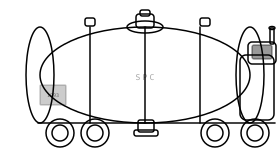
Ortho Xylene: A Feedstock, Not a Thinner — Uses, Specification and the Phthalic Anhydride Chain
Ortho xylene (o-xylene, CAS 95-47-6) is bought as a chemical feedstock, not a general-purpose solvent. This guide follows it into phthalic anhydride, plasticizers and alkyd resins, sets out the 98.5% min Reliance-made specification we supply, and explains how it differs from mixed xylene.
Benzyl Alcohol: Coatings Solvent on One Side, Pharma Preservative on the Other — and the Grade Question Between Them
Benzyl alcohol (CAS 100-51-6) earns its keep twice — as a solvent and epoxy diluent in paints, coatings and inks, and as a preservative and intermediate in pharma, cosmetics and fragrance. This guide covers both sides, the GACL technical specification we supply, and how the IP/BP/USP grades are listed.
NBA (n-Butanol): What It Is, What It Makes, and How We Supply It
NBA is n-butanol, CAS 71-36-3 — decoded in one sentence. The rest of this guide goes where the glossaries stop: what the solvent does in paints, inks and adhesives, the butyl esters made from it, why iso-butanol is not a substitute, and the BIS-certified grade we run by bulk road tanker from Chennai.
MEK vs MIBK vs Acetone: Choosing the Right Ketone Solvent
Three ketone solvents, one decision. We compare acetone, MEK and MIBK on evaporation, boiling point, flash point and water miscibility — the axes that decide which one goes into a coating, ink, adhesive or cleaning job — with the grades and packaging we supply in Chennai.
CAS Number Reference: 20 Industrial Chemicals, Verified Identifiers and What They Prove
A verified CAS Registry Number lookup for 20 industrial chemicals we supply — with molecular formulas, grades and packaging — plus how to validate a CAS check digit, why mixed xylene, chromic acid and titanium dioxide each carry more than one number, and what a CAS number does not tell you.
Chemical Abbreviations List: 42 Indian Trade Terms with Full Forms and CAS Numbers
Indian chemical buyers order by abbreviation, not by IUPAC name. This glossary decodes 42 trade terms — 40 abbreviations plus two trade grade names — to their full chemical names and CAS numbers, flags the collisions that cause wrong deliveries, and gives a three-line enquiry template.

Glycol Ether Selection: Butyl Cellosolve vs Butyl Carbitol vs PGMEA and the Acetates
Seven glycol ethers, one decision. This guide compares butyl cellosolve, butyl carbitol, PGMEA, PGME and the cellosolve acetates on boiling point, water solubility and evaporation class — the three axes that actually decide which one goes into your coating, ink or cleaner.

Food-Grade Chemicals: What FCC, IP and E-Number Designations Actually Change
Food grade is a compliance claim, not a purity claim. This guide explains what an FCC monograph controls, how FCC differs from IP, USP and an E-number, what an FSSAI-regulated QA team will accept on a Certificate of Analysis, and when to reject a batch.

Plasticizer Selection for PVC: DOP vs DOTP vs DBP vs DEP, and Where CPW Fits
A selection guide for PVC compounders: how DOP, DOTP, DBP, DEP, DOM and chlorinated paraffin wax differ on compatibility, permanence and regulatory acceptability, with a property matrix and an application-by-application first choice.
Chlorinated Paraffin Wax (CPW-52) — Grades, Specifications & Industrial Uses in India
A buyer’s guide to CPW: how the 42/52/70 chlorine grades differ, the CPW-52 specification that matters for PVC and cables, packaging, and how to source it in bulk.
How to Read an MSDS/SDS — A Procurement & Safety Guide for Industrial Buyers
What the 16 sections of a Safety Data Sheet actually tell you, how to use them before you place a chemical order, and the fields that matter most to a buyer.
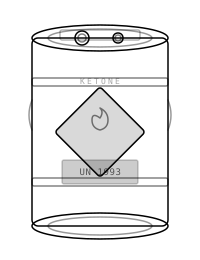
Chemical Storage & Handling Basics — Flammables, Corrosives & Oxidisers
A practical storage guide for industrial buyers: how to segregate incompatible chemicals, store flammable solvents and acids safely, and set up a compliant stores area.
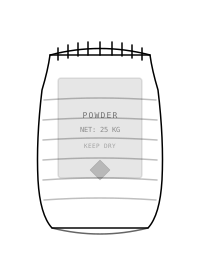
Soda Ash (Sodium Carbonate) Supplier in Chennai — Grades, Uses & Bulk Sourcing
A buyer-focused guide to soda ash: the difference between light and dense grades, its main industrial uses, and how to source sodium carbonate in bulk in South India.
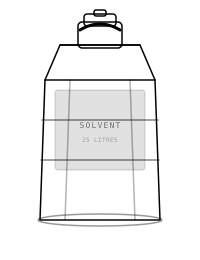
Acetone Supplier in Chennai — Bulk Industrial Solvent Sourcing
A practical guide to sourcing acetone in Chennai for paints, pharma, adhesives, plastics, nail care, and chemical processing.
Propylene Glycol vs Ethylene Glycol — Which One Does Your Industry Need?
A practical comparison of PG and MEG for buyers choosing glycols for pharma, food, cosmetics, HVAC, antifreeze, PET, and textiles.
Hydrogen Peroxide Industrial Uses — Water Treatment, Bleaching, and Chemical Synthesis
A guide to hydrogen peroxide grades, industrial applications, handling, and sourcing for water treatment, textiles, paper, and synthesis.
Phosphoric Acid Industrial Uses — Metal Treatment, Food Processing, and Fertilizers
A practical guide to phosphoric acid grades, uses, and sourcing for metal treatment, food processing, fertilizers, and water treatment.
Oxalic Acid Industrial Uses — Rust Removal, Textile Bleaching, and Leather Tanning
A concise guide to oxalic acid powder for rust removal, textile bleaching, wood brightening, leather processing, and stone polishing.
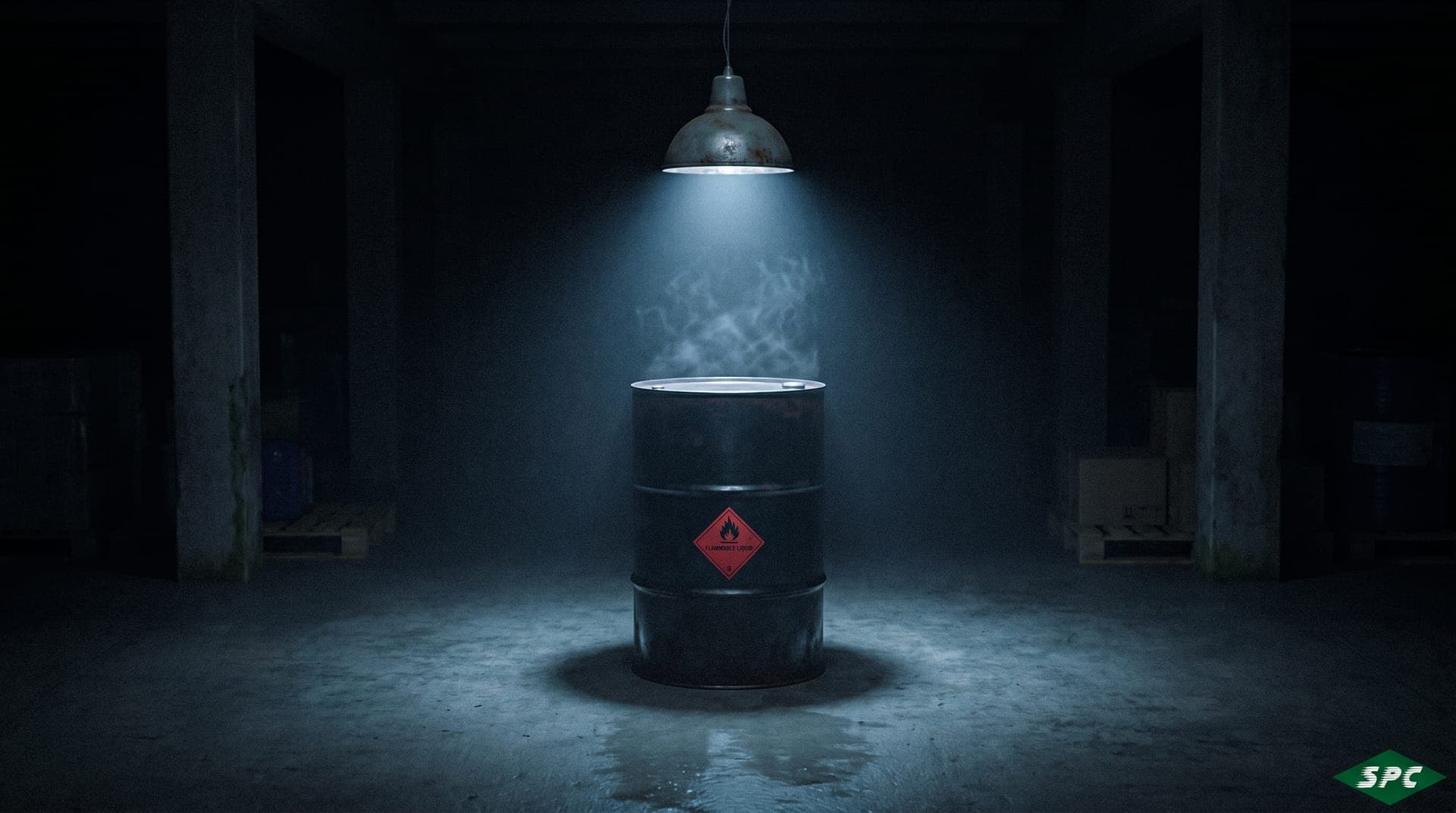
Toluene Supplier in Chennai — Bulk Industrial Solvent Sourcing Guide
A buyer-focused guide to sourcing toluene in Chennai, including CAS number, industrial uses, packaging, documentation, handling notes, and supplier selection criteria.
IPA Isopropyl Alcohol Supplier India — Bulk Sourcing Guide
A practical guide to sourcing IPA in India, including 99%, 70%, IP/BP/USP grade considerations, applications, packaging, and documentation requirements.

Acid Supplier in Chennai — Sulphuric, Nitric & Hydrochloric Acid
A procurement guide for industrial acids in Chennai, covering sulphuric acid, nitric acid, hydrochloric acid, applications, packaging, and handling safety.
Titanium Dioxide Supplier India — Rutile & Anatase TiO2 Sourcing Guide
A guide to sourcing titanium dioxide in India, covering rutile and anatase grades, applications in paints, plastics, paper and cosmetics, packaging, and quality checks.
Sodium Hydroxide Caustic Soda Price India — What Affects Bulk Cost?
A procurement guide explaining what affects sodium hydroxide and caustic soda pricing in India, without quoting live prices: form, purity, packing, freight, and volume.
Glycol Supplier in Chennai — MEG, DEG & Propylene Glycol in Bulk
A practical procurement guide to industrial glycols supplied from Chennai, including MEG, DEG, propylene glycol, DPG, and PEG grades for manufacturing applications.
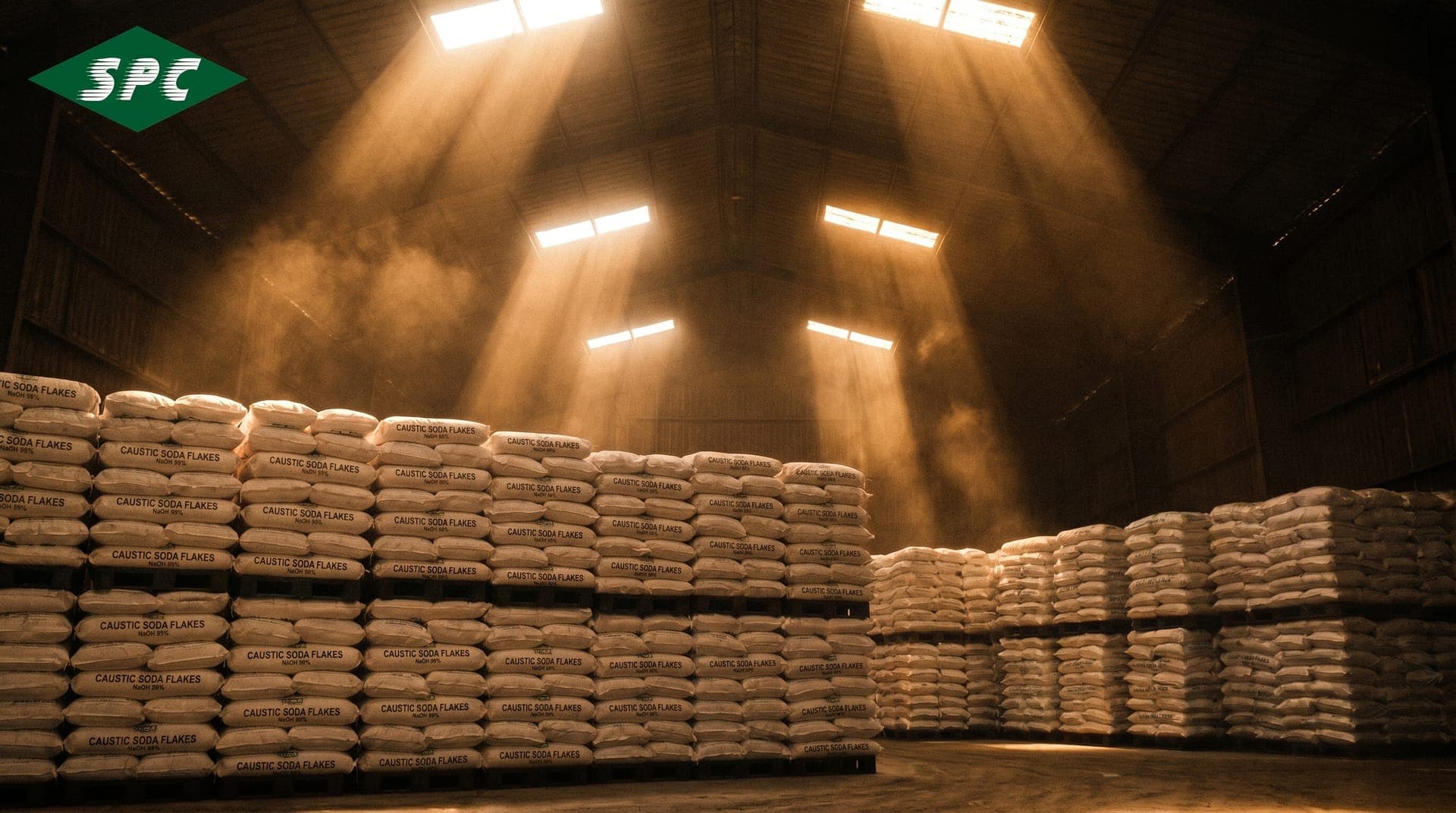
Caustic Soda Supplier in Chennai — NaOH Flakes, Lye & Bulk Supply
A practical guide to sourcing caustic soda flakes and caustic soda lye in Chennai, including applications, grades, packaging, and storage safety.
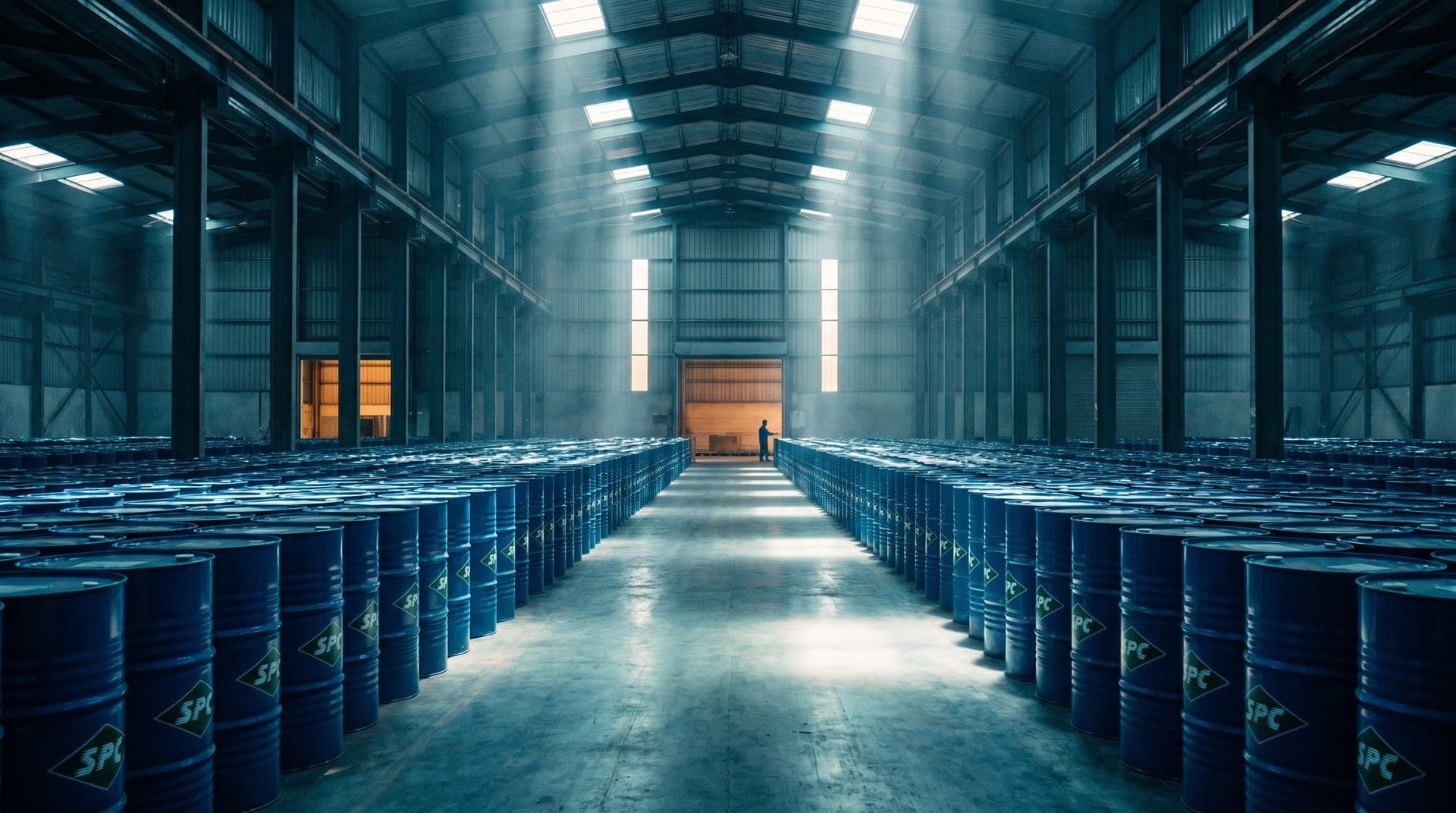
Chemical Companies in Chennai — Industrial Suppliers and Distributors (2026 Guide)
Chennai is South India's largest hub for industrial chemical trading. This guide covers the types of chemical companies operating in Chennai, the industries they serve, and what to look for when choosing a supplier.
How to Choose an Industrial Solvent Supplier in Chennai
A procurement guide for industrial solvents available in Chennai: key product categories, supplier selection criteria, and what differentiates a reliable bulk solvent supplier from a broker.
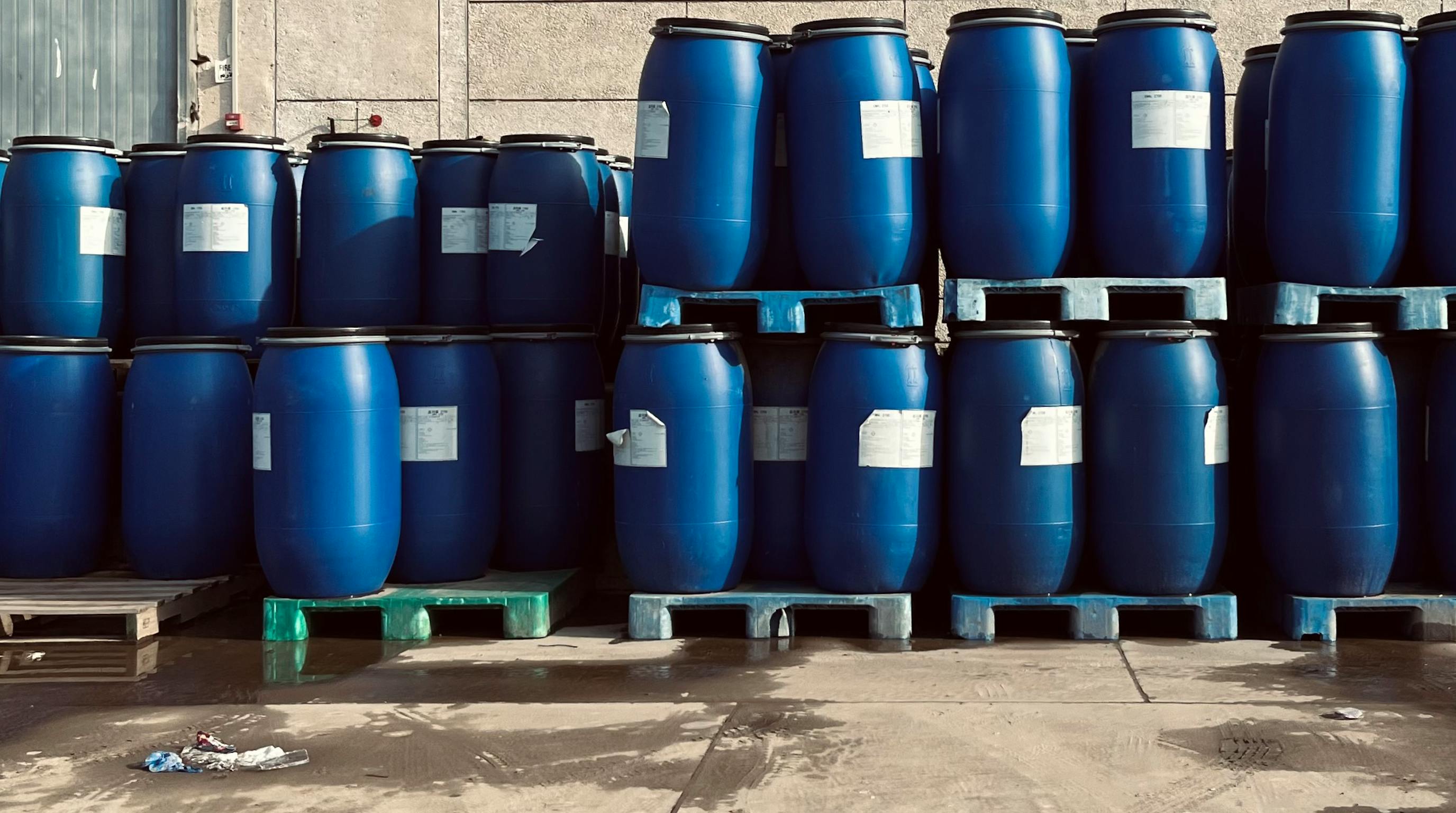
IPA (Isopropyl Alcohol): Industrial Grades, Uses, and Bulk Sourcing in India
A practical guide to IPA grades — 70%, 99%, and pharma USP — with a breakdown of which industries use which specification and what to look for when sourcing in bulk from India.
Toluene vs Mixed Xylene: Choosing the Right Aromatic Solvent
Both are aromatic petroleum solvents used in paints, inks, and adhesives — but their differences in evaporation rate, solvency power, and toxicity profile make each better suited to different applications.
CAS Numbers Explained: A Practical Guide for Chemical Procurement Teams
CAS numbers are the most reliable way to specify chemicals in purchase orders. This guide explains what they are, why they matter, and how to use them to avoid costly substitution errors.
Propylene Glycol USP Grade: Pharmaceutical Applications and Sourcing in South India
Propylene glycol USP is one of the most widely used excipients in oral, topical, and injectable pharmaceutical formulations. Here is what distinguishes pharma grade from technical grade — and what to ask for when sourcing.
Acetic Acid in Industrial Manufacturing: Grades, Purity Standards, and Applications
From glacial acetic acid in chemical synthesis to technical-grade in rubber and textiles — a breakdown of the acetic acid grade spectrum, how to specify correctly, and which industries depend on it.
Ethyl Acetate Supplier in Chennai — Industrial Uses & Bulk Procurement
How to source Ethyl Acetate in Chennai for printing inks, adhesives, coatings, and extraction — grade, purity, bulk tanker packaging, and procurement tips.
DOP & Plasticizers Guide — PVC Processing, Grades & Sourcing in India
Understand DOP, DBP, DOP alternatives, and how plasticizers work in PVC. A practical sourcing guide for cable, footwear, film, and flexible-PVC manufacturers.
Methylene Dichloride (MDC) Supplier in Chennai — Pharma & Industrial Uses
A sourcing guide to Methylene Dichloride (MDC / DCM) in Chennai for pharmaceutical extraction, paint stripping, and metal cleaning — grades, packaging, and safety.
Glycerine Supplier in Chennai — Pharma, Cosmetic & Industrial Grades
A practical guide to sourcing Glycerine (Glycerin / Glycerol) in Chennai — IP/BP/USP vs technical grades, uses across pharma, cosmetics and food, and packaging.
VAM Supplier in Chennai — Vinyl Acetate Monomer Uses & Bulk Sourcing
A buyer guide to vinyl acetate monomer (VAM) — its role in PVA, adhesives, paints, and EVA, plus inhibitor handling, packaging, and sourcing from Chennai.
Butyl Carbitol Supplier in Chennai — Uses & Bulk Sourcing Guide
A buyer guide to Butyl Carbitol (diethylene glycol monobutyl ether) for paints, inks, cleaners, and coalescing applications, with packaging and sourcing notes.
MIBK Supplier in Chennai — Methyl Iso Butyl Ketone Uses & Sourcing
A buyer guide to MIBK (methyl iso butyl ketone) for coatings, rubber chemicals, adhesives, and extraction, with handling, packaging, and sourcing notes.
LAB Supplier in Chennai — Linear Alkyl Benzene for Detergents
A buyer guide to LAB (linear alkyl benzene), the feedstock for LABSA and detergents, with sulphonation context, packaging, and sourcing from Chennai.
MTO Supplier in Chennai — Mineral Turpentine Oil Uses & Sourcing
A buyer guide to MTO (mineral turpentine oil) for paints, thinners, cleaning, and rubber processing, with packaging, safety, and sourcing notes.
Acid Slurry Supplier in Chennai — LABSA for Detergent Manufacturing
A buyer guide to acid slurry (LABSA) — the active surfactant base for detergents — covering active matter, neutralisation, packaging, and sourcing from Chennai.
EDTA Supplier in Chennai — Chelating Agent Grades & Uses
A buyer guide to EDTA and its salts — chelation chemistry, grades (acid, di-sodium, tetra-sodium), uses across water treatment, detergents, and cosmetics, and sourcing.
Mixed Xylene Supplier in Chennai — Aromatic Solvent Uses & Sourcing
A buyer guide to mixed xylene for paints, inks, adhesives, and thinners — isomer context, how it compares to toluene, packaging, safety, and sourcing from Chennai.
Nitric Acid Supplier in Chennai — Industrial Uses & Handling Guide
A buyer guide to nitric acid for metal pickling, nitration, and surface treatment — concentrations, oxidiser handling, packaging, and sourcing from Chennai.
Looking for a specific chemical?
Browse 250+ industrial chemicals with grades, CAS numbers, and packaging options.